September 22, 2025
Average lifespan of asphalt shingles in New Brunswick
Homeowners often ask: how long do they last?
When homeowners in Fredericton search for a reliable roofing solution, asphalt shingles are the most common choice. They are affordable, durable, and well-suited for the climate in New Brunswick. But one of the most frequent questions asked is: What is the average lifespan of an asphalt shingle roof in Fredericton?
The short answer is that most asphalt shingle roofs last between 15 to 25 years. The exact lifespan depends on several factors:
Shingle Quality
Entry-level 3-tab shingles often last closer to 15 years, while architectural or laminated shingles can extend well beyond 20 years. Premium shingles, when properly installed, may approach the 30-year mark.
Climate Conditions in Fredericton
New Brunswick weather brings a full four-season cycle. Hot summers, cold winters, heavy snowfall, and freeze-thaw conditions all impact shingle performance. The roof’s exposure to sunlight, wind, and ice can shorten its service life if not properly maintained.
Roof Installation and Ventilation
Even the highest-quality shingles will fail early if a roof is poorly installed. Correct underlayment, flashing, and attic ventilation are critical to preventing heat buildup and moisture damage.
Roof Maintenance
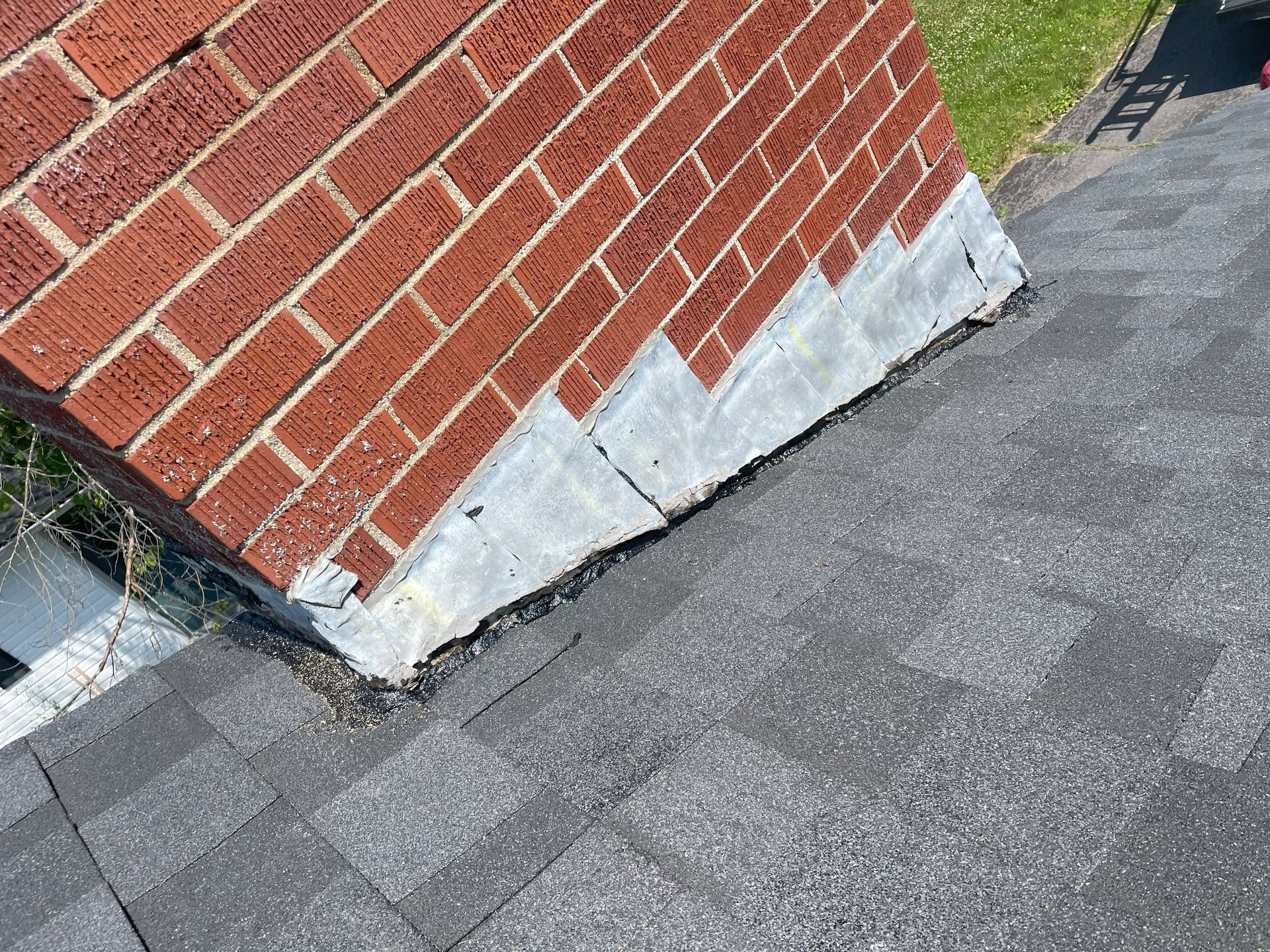
Regular inspections, especially after storms, help identify missing shingles, damaged flashing, or clogged gutters. Preventative maintenance extends roof life and saves on costly repairs.
For Fredericton homeowners, a well-installed asphalt shingle roof that receives periodic care should be expected to last about 20 years on average. Roofs in shaded areas with good ventilation may last longer, while roofs exposed to strong sun or ice damming may fall short of that mark.
When to Consider Replacement
Signs that a roof is nearing the end of its lifespan include curling or cracked shingles, loss of granules, frequent leaks, and visible sagging. If your asphalt shingle roof is 15 years old or older, it’s wise to schedule a professional inspection to plan for replacement before major damage occurs.
Conclusion
The lifespan of asphalt shingles in Fredericton varies, but with the right materials, proper installation, and ongoing maintenance, homeowners can expect a reliable roof for about two decades. Investing in quality roofing now can provide peace of mind and protection for years to come.

Asbestos and Roofing: A Hidden Risk Above Your Ceiling In many older homes throughout Fredericton and New Brunswick , the most dangerous part of the house isn’t always visible — it’s overhead. Attics, roof systems, and areas around chimneys, vents, and soffits can contain asbestos-containing materials hidden in insulation, old roofing layers, pipe wrap, and ceiling finishes. On a normal day, these materials may sit undisturbed and pose little immediate risk. However, roof repairs, roof replacements, ventilation upgrades, or attic work can easily disturb them if the work isn’t planned and handled correctly. When shingles are removed, new vents are cut, or insulation is shifted without proper controls, asbestos-containing materials can break down and release microscopic airborne fibres . These fibres can spread through attic spaces, ductwork, and even into living areas of the home. This isn’t meant to cause panic — but it is something homeowners should understand before starting roofing or attic work in an older New Brunswick home. Where Asbestos Is Commonly Found Around the Roof In homes built or renovated decades ago — particularly before the 1990s — asbestos may still be present in places many homeowners never think to look, including: Vermiculite or loose-fill attic insulation Pipe insulation or duct wrap running through attic spaces Old roofing felts, mastics, or underlayments Cement board soffits or siding near the roofline Textured (“popcorn”) ceilings directly below attic spaces A contractor focused only on shingles may not recognize these materials or may assume they’re harmless. A roofing team familiar with asbestos risk knows to treat any suspect material cautiously until it’s properly assessed or tested. What Happens When Asbestos Is Disturbed Asbestos becomes dangerous when it is damaged, crushed, or disturbed . During roofing or attic projects, this can happen more easily than many homeowners realize: Walking or kneeling on old insulation Dragging debris across attic floors Cutting or enlarging roof vent openings Removing old ducting, fan housings, or boards Dropping debris through attic hatches or wall cavities Once disturbed, asbestos fibres: Are invisible to the naked eye Have no smell Can remain airborne for long periods Can travel through air movement into living spaces Long-term or repeated exposure to airborne asbestos fibres has been linked to serious health conditions. This is why how roofing work is performed matters just as much as the work itself . The Risk of Hiring “Just a Regular Roofer” Most roofing contractors are skilled at installing shingles — but not all are trained to identify or manage asbestos risk . Homeowners may hear statements like: “It’s just old insulation.” “We’ll vacuum it out.” “We didn’t see anything dangerous.” The reality is: Vermiculite insulation often looks harmless to the untrained eye Sweeping, vacuuming, or shovelling suspect materials can release fibres into the air Attic work without proper containment can contaminate tools, clothing, and interior spaces You don’t need a contractor who guesses. You need one who knows when to slow down, assess the situation, and plan properly . How an Asbestos-Aware Roofing Team Works Differently A roofing company that understands asbestos risk approaches your home differently — especially in older Fredericton and New Brunswick houses . 1. Assess Before Starting Work Inspect attic spaces, roof decking, and roof penetrations Identify materials that may contain asbestos Recommend sampling or testing where appropriate 2. Plan Roofing and Safety Together Sequence work so asbestos concerns are addressed before major roofing activities Protect attic hatches, duct openings, and interior spaces Avoid unnecessary disturbance of suspect materials 3. Use Proper Controls and PPE Follow provincial and federal safety regulations Use appropriate respirators and protective equipment Apply controlled work practices to reduce fibre release 4. Handle Waste Correctly Properly bag, label, and dispose of asbestos-containing waste Use approved disposal facilities — not standard construction bins 5. Verify the Area Is Safe Ensure thorough cleanup of affected spaces Coordinate air testing when required before re-entry For homeowners, this isn’t about fear — it’s about control, planning, and risk reduction . When Fredericton Homeowners Should Be Especially Cautious You should take extra care if: Your home was built or renovated before 1990 You see vermiculite or loose granular insulation in the attic You’re adding bathroom fans, range hood vents, or attic ventilation You’re planning a roof replacement or major roof repair You’re unsure what materials were used in previous renovations In these situations, involving a roofing team that understands asbestos risk before work begins is a responsible step — not an overreaction. Professional, Not Alarmist — But Serious About Safety Asbestos is not a reason to fear your home. It is a reason to be careful about who works in it and how the work is done . A roofer unfamiliar with asbestos can unintentionally turn a contained material into a widespread airborne problem. A knowledgeable, safety-focused roofing company will: Respect your attic and roof system Take time to assess before tearing in Follow proper procedures if asbestos is present Protect your family, your property, and workers on site If your Fredericton-area home is older or you suspect asbestos may be present, don’t leave it to chance. Before anyone enters your attic or cuts into your roof, make sure you’re working with a team that understands what’s at stake — and knows how to manage it properly.
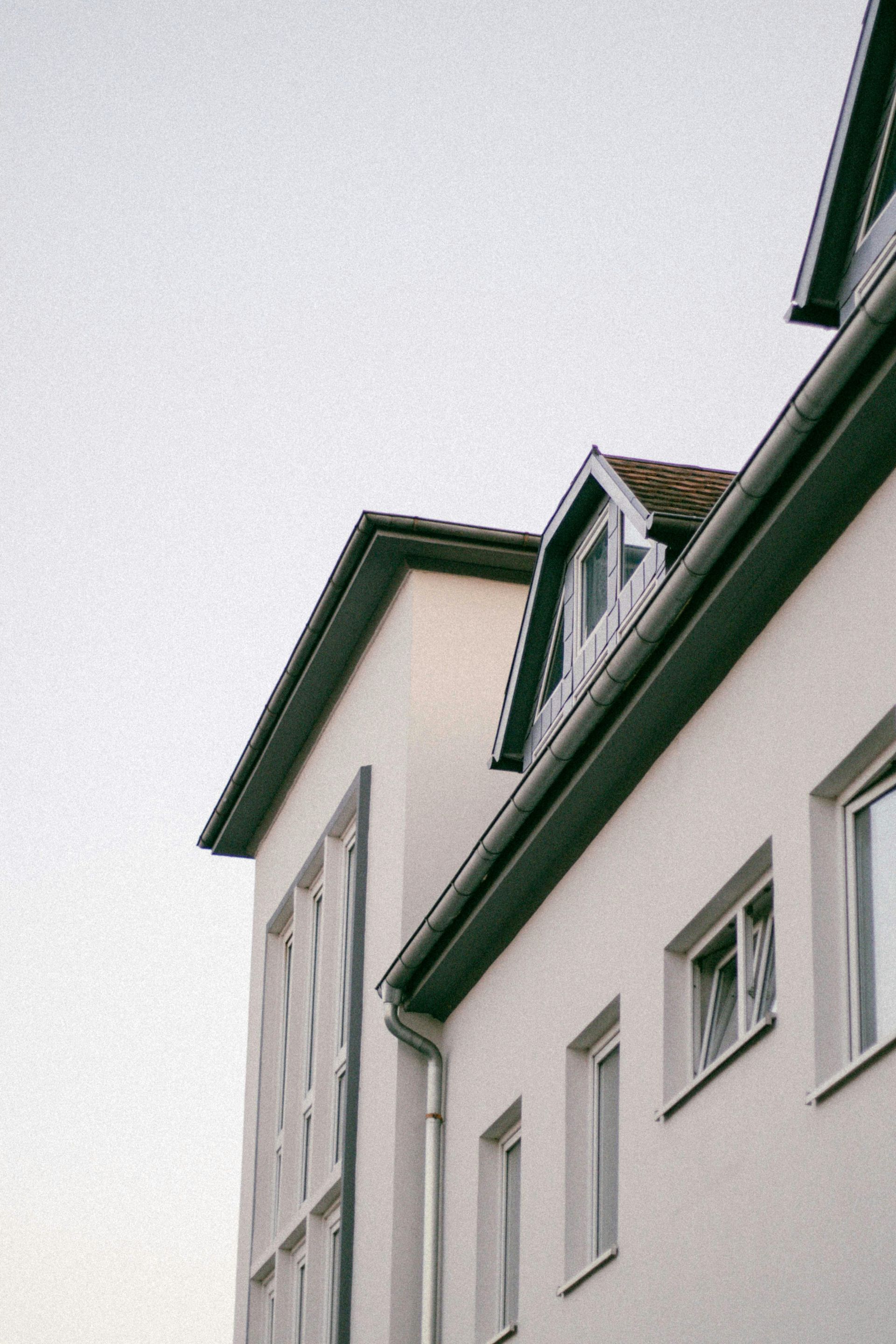
Choosing the right roof style is about more than appearance - it affects your home’s energy efficiency, drainage, and long-term maintenance. For homeowners in Fredericton and surrounding areas like New Maryland, Lincoln, and Oromocto, the decision between a flat roof and a sloped roof depends heavily on how each performs in New Brunswick’s demanding climate. Both roof types can be effective if designed and maintained properly. Understanding their strengths, weaknesses, and maintenance requirements will help you make an informed choice that fits your property, lifestyle, and budget. 1. Understanding the Basics: Flat vs. Sloped Roofs Before diving into performance, it helps to clarify what distinguishes these two roof styles. Flat Roofs: Despite the name, flat roofs have a slight pitch (usually 1–10 degrees) to allow water to drain. They’re common in commercial buildings and modern residential designs. Sloped Roofs: These are the traditional pitched roofs found on most Fredericton homes. They come in various angles and shapes, such as gable, hip, or gambrel designs, all intended to shed water and snow efficiently. Both types can handle New Brunswick’s weather, but they do so in very different ways. 2. Flat Roofs in Fredericton: Advantages and Challenges Flat roofs are becoming more popular in contemporary home builds and additions across Fredericton and Oromocto. Their minimalist appearance and functional design offer several benefits - but they also come with unique maintenance needs. Advantages of Flat Roofs Modern Aesthetic: Flat roofs complement sleek, modern architecture and can make homes look larger and more cohesive. Usable Space: Many homeowners use their flat roofs as patios, green spaces, or solar panel platforms, especially in urban Fredericton neighbourhoods. Easier Access: Inspections and repairs are simpler and safer because the surface is walkable. Lower Construction Costs: Flat roofs typically require fewer materials and take less time to install, reducing initial costs. Challenges of Flat Roofs Drainage Issues: Because of their minimal slope, flat roofs are prone to pooling water, especially after New Brunswick’s heavy spring rains. Standing water can lead to leaks and membrane damage. Snow and Ice Build-Up: Fredericton winters bring substantial snow loads. Without proper snow removal, the weight can stress the roof structure. Shorter Lifespan: Most flat roof materials, such as rubber (EPDM) or modified bitumen, last 20–30 years - shorter than high-quality sloped options. Frequent Maintenance: Regular inspections are essential to prevent small leaks from becoming major problems. Ideal For: Commercial buildings, home additions, or modern-style homes in Fredericton with efficient drainage systems and proper insulation. 3. Sloped Roofs: Traditional Strength for New Brunswick Weather Sloped roofs remain the standard for residential properties throughout New Brunswick, and for good reason. Their angled design helps manage the region’s variable climate - from freezing rain to heavy snow. Advantages of Sloped Roofs Superior Drainage: Water and snow naturally slide off, reducing the risk of leaks or pooling. Longer Lifespan: Asphalt shingles, metal panels, or cedar shakes on a sloped roof typically last 25–50 years, depending on materials and maintenance. Energy Efficiency: The attic space beneath a sloped roof improves ventilation and insulation, helping regulate indoor temperatures year-round. Lower Long-Term Maintenance: While initial installation costs are higher, sloped roofs require less frequent upkeep compared to flat systems. Variety of Styles: Homeowners can choose from numerous designs to match architectural preferences, whether it’s a classic pitched roof or a modern asymmetric shape. Challenges of Sloped Roofs Higher Upfront Cost: Materials and installation for sloped roofs generally cost more than flat alternatives. More Complex Repairs: Because of their angle, inspections and repairs are more labor-intensive and require professional safety measures. Limited Usable Space: Unlike flat roofs, they don’t provide accessible outdoor space or easy installation for solar systems. Ideal For: Traditional homes in Fredericton, Lincoln, or New Maryland, where reliable drainage and year-round durability are top priorities. 4. How New Brunswick’s Climate Impacts Each Roof Type New Brunswick’s weather plays a major role in how each roof type performs. With cold winters, high humidity, and frequent freeze-thaw cycles, your roof must be able to handle dramatic temperature swings. Flat Roofs in NB: Need superior waterproof membranes to resist standing water and ice. Require regular snow removal to prevent overloading. Must include proper insulation and vapor barriers to reduce condensation buildup. Sloped Roofs in NB: Perform better in snow-heavy regions like Fredericton and Oromocto, where natural runoff reduces buildup. Are less likely to experience water pooling but need secure flashing and venting to handle ice dam risks. Maintain better airflow, reducing humidity-related issues common in homes near the Saint John River. In short, sloped roofs tend to be more forgiving in New Brunswick’s challenging conditions, while flat roofs require consistent attention to stay in top shape. 5. Maintenance Differences Between Flat and Sloped Roofs Maintenance is where the two roof styles diverge the most. Flat Roof Maintenance Inspect at least twice a year (spring and fall) and after major storms. Remove standing water within 24–48 hours. Clear debris from drains and scuppers regularly. Check seams, flashing, and membranes for signs of wear or cracking. Reapply protective coatings every 5–10 years to extend lifespan. Because flat roofs are easier to access, many homeowners handle basic upkeep themselves. However, professional inspections are still crucial to prevent hidden leaks that can lead to costly interior repairs. Sloped Roof Maintenance Inspect shingles annually for curling, cracking, or missing sections. Keep gutters and downspouts clear to prevent ice dams. Trim overhanging branches to avoid debris buildup. Have flashing and vents checked for proper sealing before winter. Although sloped roofs require less maintenance overall, safety is a major concern when inspecting or cleaning them. Hiring experienced roofers in Fredericton is the safest and most effective way to ensure proper care. 6. Cost Comparison: Flat vs. Sloped Roofs Cost varies based on materials, size, and design, but here’s a general overview for Fredericton homeowners in 2025:
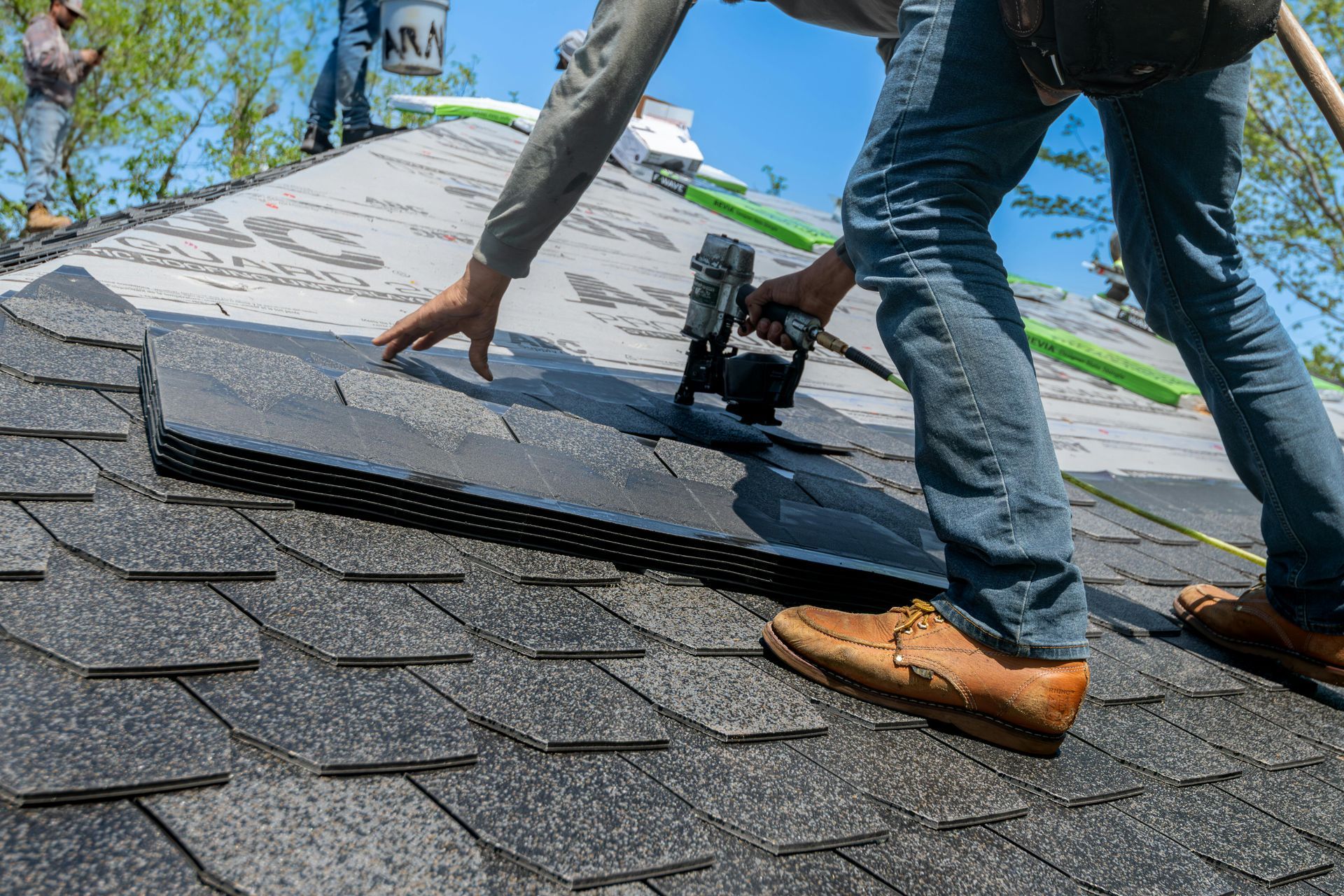
Wondering if your roof needs repair or replacement? Learn how Fredericton homeowners can decide between roof repair vs. replacement and protect their investment year-round.